
Rental Mobil Jogja
Nova Wisata merupakan perusahaan jasa di bidang travel dan pariwisata berpengalaman di Indonesia. Untuk liburan yang lebih menyenangkan, Nova Wisata jadi solusi tempat rental mobil terbaik. Memangnya ada apa sih di Nova Wisata? Yuk intip alasan kenapa kamu harus pilih Nova Wisata.
Jogja merupakan provinsi di Indonesia yang banyak diincar wisatawan karena wisata budaya, kuliner, dan alamnya yang unik dan menarik. Namun, ongkos transportasi umum yang mencekik menjadi penghalang bagi wisatawan untuk mengeksplor lebih jauh. Tak heran jika rental mobil Jogja jadi salah satu solusinya.
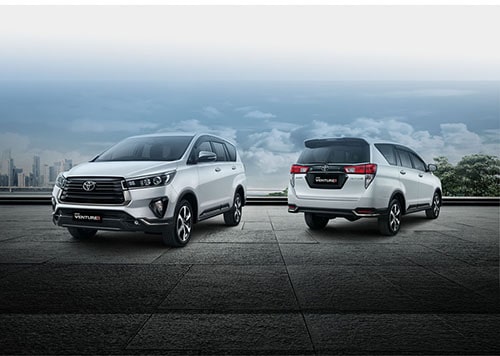
Pilihan Sewa Mobil Jogja
Jika dilihat berdasarkan spesifikasi, mobil-mobil yang tersedia di Nova Wisata Travel Agent adalah yang terbaik. Kami mengutamakan kenyamanan dan keselamatan pengguna kendaraan yang kami sediakan. Berikut ini beberapa pilihan mobil yang dimiliki oleh sewa mobil Jogja Nova Wisata.
Toyota Avanza
- Mobil + Driver
- Mobil + Driver + BBM
- Lepas Kunci
- Harga Mulai Rp. 350.000
Innova Reborn
- Mobil + Driver
- Mobil + Driver + BBM
- Lepas Kunci
- Harga Mulai Rp. 470.000
Grand New Innova
- Mobil + Driver
- Mobil + Driver + BBM
- Lepas Kunci
- Harga Mulai Rp. 400.000
Honda Brio
- Mobil + Driver
- Mobil + Driver + BBM
- Lepas Kunci
- Harga Mulai Rp. 300.000
Honda Mobilio
- Mobil + Driver
- Mobil + Driver + BBM
- Lepas Kunci
- Harga Mulai Rp. 300.000
Honda Jazz
- Mobil + Driver
- Mobil + Driver + BBM
- Lepas Kunci
- Harga Mulai Rp. 375.000
Toyota Alphard
- Mobil + Driver + BBM
- Durasi 12 Jam
- Full Day
- Harga Mulai Rp. 3.000.000
Toyota Fortuner
- Mobil + Driver + BBM
- Durasi 12 Jam
- Full Day
- Harga Mulai Rp. 1.750.000
Pajero Sport
- Mobil + Driver + BBM
- Durasi 12 Jam
- Full Day
- Harga Mulai Rp. 1.750.000
Rental Mobil Jogja Terbaik
Paket wisata jogja dengan rental mobil sebagai pilihan transportasi memang sudah menjadi hal yang lazim saat ini. Selain lebih fleksibel, kamu hanya perlu duduk tenang tanpa memikirkan ganti-ganti transportasi umum untuk menuju satu tujuan wisata. Sehingga, wisata jadi lebih efektif.
Jika kamu berminat liburan ke Jogja, terdapat perusahaan jasa travel yang kami rekomendasikan untuk rental mobil, yaitu Nova Wisata. Mengapa harus Nova Wisata?
Untuk memberikan kenyamanan para pelanggan, kami memberikan beragam pilihan armada, lho. Seperti mobil Avanza, Grand New Innova, Innova Reborn, Brio, Mobilio, Jazz, Alphard, Fortuner, Pajero, dan masih banyak lainnya. Kamu bisa memilih mobil yang sesuai dengan kebutuhan.
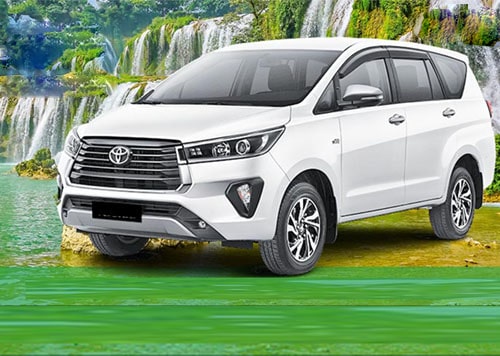
Pilihan Paket Rental Mobil Jogja
Pada umumnya, pilihan paket rental mobil yang ditawarkan meliputi lepas kunci, dengan driver, atau dengan driver+BBM. Tentu saja tarif rental mobil Jogja untuk masing-masing paket tersebut akan berbeda. Secara lebih lengkap, kamu dapat melihat perbedaan dari pilihan paket tersebut.
Lepas Kunci
Perusahaan kami menyediakan layanan sewa mobil lepas kunci dengan persyaratan yang cukup mudah dan wajib dilengkapi. Harga sewa mobil yang tidak menggunakan jasa driver atau biasa dikenal dengan lepas kunci adalah yang paling murah daripada rental mobil yang menggunakan driver. Tentu saja wisatawan bisa dengan bebas membawa mobil ini ke mana pun. Namun, perusahaan umumnya tidak menyertakan biaya BBM dalam paket.
Dengan Driver
Harga rental mobil dengan driver biasanya akan naik berapa persen daripada rental mobil lepas kunci. Namun, sewa mobil dengan driver-nya sekaligus membuat liburan menjadi lebih menyenangkan karena kamu tidak perlu membagi fokus liburan dan mengemudi. Sama seperti rental mobil lepas kunci, umumnya perusahaan jasa rental tidak menyertakan biaya BBM dalam paket sewa. Artinya, kamu harus mengisi BBM dengan biaya terpisah.
Mobil + Driver + BBM
Paket Rental yang satu ini merupakan pilihan terbaik jika kamu ingin liburan maksimal dengan pelayanan transportasi terbaik. Tapi, harga yang dipatok juga merupakan yang paling tinggi dibandingkan rental lepas kunci dan rental dengan driver-nya saja. Biasanya, rental mobil lepas kunci akan memiliki syarat dan ketentuan yang sedikit berbeda. Nah, apa saja syarat yang harus kamu siapkan saat hendak rental mobil lepas kunci?
Syarat Jika Ingin Sewa Mobil Lepas Kunci
Kamu ingin liburan dengan sewa mobil sendiri tanpa ditemani oleh driver? Bisa saja. Namun, terdapat berbagai syarat yang harus kamu penuhi sebelumnya. Adapun syarat rental mobil Jogja lepas kunci yang harus kamu penuhi yaitu:
- Foto SIM + KTP. Untuk hal ini hanya untuk luar kota, sedangkan penduduk lokal tidak perlu.
- Foto tiket pesawat atau kereta pulang pergi. Pada poin ini, harap diperhatikan nama yang tertera pada tiket harus sesuai dengan nama yang tertera di KTP.
- Foto surat yang membuktikan kamu menginap di hotel dengan data diri yang sesuai KTP.
- Untuk keamanan, Kamu harus selalu share location saat berlibur melalui WhatsApp.
- Foto kartu kredit atau debit dengan nomor kartu yang dapat ditutup.
- Foto NPWP jika punya atau billing tagihan listrik dan air.
- Foto kartu nama perusahaan, name tag kantor, atau foto kartu mahasiswa.
- Nama akun sosial media, baik itu Instagram, Facebook, sampai Linkedin.
- Transfer dana wajib melalui rekening akun perusahaan dari rekening calon penyewa dengan nama disesuaikan dengan KTP.
- Foto rekening tabungan.
Rekomendasi Destinasi Wisata di Jogja
Selain terkenal sebagai daerah pelajar karena banyaknya sekolah-sekolah yang didirikan di sini, Yogyakarta juga populer dengan berbagai destinasi wisata yang menakjubkan. Baik itu wisata budaya, kuliner, sampai wisata alamnya menggunakan sewa bus jogja. Bingung mau eksplor wisata apa aja? Berikut ini rekomendasinya buat kamu.
Jogja Bay Pirates Adventure
Destinasi wisata yang lebih akrab disebut dengan Jogja Bay ini merupakan sebuah kawasan wisata waterpark yang cukup populer di Jogja. Bagaimana tidak? Destinasi wisata populer Jogja Bay Pirates Adventure merupakan waterpark paling komplit se-Jogja. Ada berbagai wahana seru yang harus kamu coba dan rugi jika tidak mampir kesini. Tenang saja, disini juga ramah untuk anak kecil karena tersedia wahana khusus bagi anak-anak.
Candi Ratu Boko
Kamu suka berwisata ke daerah-daerah yang masih kental dengan bangunan budaya yang khas? Mungkin Candi Ratu Boko pas buat kamu. Letaknya juga hanya sekitar 3 km dari kompleks Candi Prambanan. Selain menikmati keindahan bangunan candi yang luasnya 16 hektare 16 Hektar ini, kamu juga bisa mengunjungi Candi Ratu Boko ini untuk menikmati keindahan mata hari terbenam. Jadi, tempat ini sebaiknya dikunjungi waktu sore hari.
Merapi Park Landmark
Letaknya berada di kaki gunung merapi kaliurang. Tempat ini biasanya cukup menenangkan karena jauh dari kebisingan. Sangat cocok untuk kamu yang ingin menjernihkan pikiran dengan ketenangan. Di Merapi Park ini, kamu bisa melakukan swafoto dengan latar belakang berupa landmark yang cukup populer di dunia, seperti Menara Pisa, Big Ben London, Kincir Angin Belanda, dan masih banyak lagi.
Museum Ullen Sentalu
Museum Ullen Sentalu merupakan salah satu ikon Yogyakarta yang wajib kamu kunjungi ketika berlibur ke jogja. Museum ini menampilkan berbagai budaya dan kehidupan para bangsawan dari dinasti Mataram. Selain budaya kehidupan, museum ini juga menampilkan koleksi batik gaya Yogyakarta dan Surakarta.
Candi Prambanan
Siapa sih yang tidak mengenal ikon paling hits di Yogyakarta ini? Candi Prambanan merupakan ikon yang paling banyak diburu oleh kalangan wisatawan, baik domestik bahkan hingga wisatawan mancanegara. Bentuk bangunan candinya yang unik jadi daya tariknya tersendiri.
Di sini terdapat ratusan Candi yang letaknya berdekatan satu sama lain. Ngomong-ngomong, kompleks Candi Prambanan ini merupakan situs candi Hindu terbesar di Indonesia, lho. Bahkan, Candi Prambanan juga merupakan bangunan Candi terbesar ke-2 di Asia Tenggara.
Desa Wisata Kalibiru
Desa wisata Kalibiru merupakan salah satu destinasi wisata Yogyakarta yang sedang naik daun. Destinasi wisata ini populer dengan keindahan alamnya dari ketinggian. Dari ketinggian, kamu bisa menyaksikan bentang alam Yogyakarta di sekitarnya, salah satunya adalah pemandangan Waduk Sermo. Saat kamu berkunjung kesini, swafoto merupakan kegiatan wajib, terutama di sebuah pohon yang dijadikan tempat Flying Fox.
Puncak Kosakora
Pengen nonton pemandangan bukit, pantai yang indah, dan sunrise sekaligus di tempat yang sama? Bisa banget! Kamu bisa menyaksikan ketiganya sekaligus di Destinasi Wisata baru di Yogyakarta bernama Puncak Kosakora. Tempat ini sangat cocok dikunjungi saat pagi maupun sore hari karena di sinilah kamu bisa menyaksikan keindahan sunrise dan sunset. Biaya tiketnya pun juga cukup terjangkau, hanya Rp2.000 per pengunjungnya.
De Mata Trick Eye Museum
Apakah kamu termasuk salah satu orang yang berfikir kalau berwisata ke museum adalah kegiatan yang membosankan? Mari kita patahkan pikiranmu itu dengan mengunjungi museum yang sedang naik daun di Yogyakarta bernama De Mata Trick Eye Museum.
Di sini, kamu bisa melihat lebih dari 100 gambar dengan teknik 3D yang bisa mengelabui mata. Jangan lupa untuk mengisi daya kamera sampai penuh, karena kamu akan mengambil puluhan gambar untuk swafoto di tengah-tengah lukisan 3D di museum ini.
Kebun Buah Mangunan
Kamu sudah sering berwisata ke Yogyakarta dan sudah mulai terbiasa dengan destinasi wisata yang itu-itu saja? Udah pernah berkunjung ke kebun buah Mangunan belum? Dari ketinggian kebun buah ini, kamu bisa menyaksikan keindahan pemandangan sungai Oya lengkap dengan tumbuh-tumbuhan asri. Jika kamu ingin berlama-lama di sini, kamu bisa menginap di homestay, lho. Tempat ini juga menyediakan gedung pertemuan, kolam renang, dan juga kantor manajemen
Upside Down World Jogja
Tidak hanya di Bali, Upside Down World juga didirikan di Jogja untuk menghibur para wisatawan yang berlibur. Di sini, kamu bisa merasakan suasana dunia terbalik dengan berbagai ruangan. Destinasi wisata Jogja yang juga tengah naik daun ini menggunakan konsep rumah atau tempat tinggal yang digunakan juga di Bali. Untuk urusan hunting foto, kamu bisa eksplor delapan spot yang sangat menarik di destinasi wisata yang satu ini.
Seperti yang kamu ketahui, Nova Wisata merupakan perusahaan travel agent yang sangat mengedepankan kepuasan dan kenyamanan pelanggan. Bahkan, Nova wisata juga memberikan kesempatan kepada calon pelanggan jika ingin memilih paket rental mobil sesuai keinginan.